2026 programme
Programme
Download the book of abstracts
08:30 – Welcome, coffee breakfast (thanks to the support of the UNamur Department of Chemistry) and registration
09:15 – Welcome words
09:25 – Keynote 1 | Prof. Nelly Litvak - Eindhoven University of Technology, Mathematics and Computer Science

Nelly Litvak is professor in Algorithms for Complex Networks and has a background in Applied Probability and Stochastic Operations Research. She works on mathematical methods and algorithms for complex networks, such as social networks and the WWW. Real-life networks are modeled as random graphs, and algorithms are used to extract information from the massive network data.
The overall goal of her research is to extract value from (Big) Data, focusing on network data. Her research revolves around three main topics: Information extraction and predictions based on data, mathematical analysis of network characteristics and randomized algorithms. The first looks at defining and collecting the correct measurements and data for specific purposes and deducing networks from data. The second examines mathematical properties of algorithms in networks, for example, the famous PageRank that Google invented to rank web pages. The third looks at efficient algorithms for computing network characteristics when the complete network data is not available.
10:15 – Talk 1 | Dr. Shalini Iyer - UNamur, Faculty of Science, Department of Physics, NARILIS Research Institute
 Dr. Shalini Iyer is a post-doctoral researcher in the Faculty of Science, Department of Physics at the University of Namur. She did an interdisciplinary PhD at UNamur where she created gold nanoparticles that could improve the anti-cancer immune response after X-ray and proton therapy. Shalini's current work involves pre-clinical research to assess the translation of this treatment approach.
Under-representation of women in clinical trials
Women remain under-represented in clinical trials despite comprising roughly half of the patient population. This disparity is particularly evident in early-phase trials and studies of cardiovascular and pharmacological interventions. This has significant clinical and scientific consequences, including increased adverse drug reactions, inaccurate dosing, delayed diagnosis of disease patterns, and reduced generalizability of study findings. Approaches to improve this disproportion include sex-balanced recruitment, inclusive eligibility criteria, flexible trial logistics, and greater female representation in trial leadership, ultimately improving the safety, efficacy, and equity of medical interventions.
10:35 – Coffee break
11:05 – Talk 2 | Prof. Serena Silvi - University of Bologna, Department of Chemistry
 Prof. Serena Silvi is an associate professsor at the Department of Chemistry of the University of Bologna. She is Director of the Second Cycle Degree in Photochemistry and Molecular Materials.
Designing artificial molecular machines
Movement is one of life's central attributes: indeed, Nature provides living systems with motor proteins, complex molecules that convert chemical energy into power to perform tasks, working like ordinary machines built for everyday needs. Thousands of different nanomachines operate within our bodies, enabling us to speak, see, walk, think. These biological engines, though, are not shrunk versions of their macroscopic counterparts, as they obey to distinct constraints, as a consequence of their dimensions. Indeed, molecular machines are soft and not rigid, they operate at near-ambient temperature, under conditions of high viscosity, and they are governed by noncovalent interactions. Moreover, they function far from equilibrium, manipulating their constant, random (Brownian) motion via ratcheting mechanisms to obtain controlled movements.
Here we will present how to design artificial molecular devices, taking into account the lessons learnt from biology and bearing in mind the marked difference between the operation mechanisms at the macroscopic and molecular level. Though artificial molecular machines cannot reproduce the structural and functional complexity of biomachines, nevertheless we can construct simple prototypes made of few molecular components, but using a larger chemical toolbox and operating in a wider range of conditions.
11:25 – Talk 3 | Dr. Manel Barkallah - UNamur, Faculty of Computer Science, NaDI Research Institute

Dr. Manel Barkallah is a post-doctoral researcher at the Faculty of Computer Science of the University of Namur and a member of the NaDI (Namur Digital Institute) research institute. She works on Formal Methods for Coordination Languages. During her PhD, she developed Anemone, a framework based on coordination models and automata-based techniques to address complex distributed scenarios such as smart cities and IoT systems.
In her current postdoctoral work, she continues this research line by applying lightweight formal methods to cybersecurity. Within the CyberExcellence project, funded by the Walloon Region of Belgium, her work aims analysing, modelling, and improving the correctness and robustness of security protocols.
A lightweight approach to coordination and formal methods
Modern technologies such as smart cities, IoT systems, and connected environments rely on many components acting at the same time and interacting with each other. Understanding and controlling these concurrent behaviours is essential, yet it remains a difficult task, even for experts. While formal methods offer powerful tools to reason about such systems, they are often perceived as too complex and therefore remain underused in practice.
In this talk, I will present the Anemone Workbench, a lightweight and accessible framework designed to make concurrency easier to understand, explore, and analyse. Anemone combines a coordination language inspired by shared data spaces with simple logical rules to describe how components interact over time. Rather than focusing on heavy mathematical formalisms, the approach emphasizes intuition, visualization, and executability. Through three illustrative examples -- a smart garden, a dynamic sports simulation, and a role-playing game -- I will show how complex concurrent behaviours can be modelled, animated, and reasoned about in an intuitive way. I will conclude by discussing how such lightweight formal methods can support education, early-stage system design, and interdisciplinary collaboration, while serving as a gateway toward more rigorous verification techniques.
11:45 – Talk 4 | Prof. Liselot Dewachter, UCL, de Duve Institute
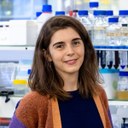 Prof. Liselot Dewachter is a research associate of the FNRS and a professor at UCLouvain and the de Duve institute in Brussels, Belgium. Her team studies the fundamental cell biology of the bacterium Streptococcus pneumoniae in the hopes of discovering novel ways to kill this major human pathogen. Current research aims to better characterize how S. pneumoniae regulates crucial cell cycle processes (such as DNA replication, cell division, etc.) and characterizing these regulatory mechanisms at the molecular level.
Reverting antibiotic resistance to fight Streptococcus pneumoniae infections
Antibiotic resistance in the important human pathogen Streptococcus pneumoniae is on the rise. This is particularly problematic in the case of beta-lactam antibiotic amoxicillin, which is the first-line therapy against this bacterium. It is therefore crucial to uncover targets that would kill or re-sensitize amoxicillin-resistant pneumococci. To do so, we developed a genetic screening approach that combines CRISPR interference with cell sorting (CRISPRi-FACS-seq). Since amoxicillin affects growth and division, CRISPRi-FACS-seq was used to identify targets that are responsible for maintaining proper cell size. Our screen revealed that downregulation of the synthesis of bactoprenol, an important lipid carrier molecule, leads to extensive cell elongation. We successfully exploited this knowledge to create a combination treatment strategy where the FDA-approved drug clomiphene, an inhibitor of bactoprenol synthesis, is paired up with amoxicillin. Our results show that clomiphene potentiates the antimicrobial activity of amoxicillin and that combination therapy re-sensitizes amoxicillin-resistant S. pneumoniae. These findings could provide a starting point to develop a solution for the increasing amount of hard-to-treat amoxicillin-resistant pneumococcal infections.
12:05 – Flash talks
13:00 – Lunch and Poster Session
14:30 – Keynote 2 | Prof. Roosmarijn Vandenbroucke - UGent, Human diseases: Immunology & inflammation

Roosmarijn Vandenbroucke is head of the Barriers in Inflammation at the VIB-UGent Center for Inflammation Research (Ghent, Belgium). She has a background in biotechnology and molecular cell biology. She obtained a PhD in Pharmaceutical Sciences at Ghent University (Belgium) where she focused on gene therapy. During her postdoctoral research, she became interested in peripheral and central inflammation and brain barriers. She founded her independent research lab at Ghent University in 2015 and at VIB in 2018. Her team is internationally recognized for its expertise in brain barriers, (neuro)inflammation, the gut-brain axis, and extracellular vesicles.
Signaling and immune surveillance at the choroid plexus in CNS disease
The choroid plexus (ChP) has emerged as a dynamic neuroimmune interface that integrates signals from the periphery to regulate central nervous system (CNS) homeostasis. Research in the Barriers in Inflammation lab focuses on how the ChP decodes peripheral inflammatory cues and relay them to the brain through altered barrier function, cytokine signaling, and extracellular vesicle (EV) communication. We investigate how systemic inflammation reshapes ChP-mediated immune surveillance, influencing both the recruitment and phenotypic modulation of immune cells trafficking into the CNS. These mechanisms are increasingly implicated in neurodegenerative disorders, including Alzheimer’s disease, where ChP dysfunction, chronic inflammation, and immune cell trafficking converge to accelerate disease progression. By dissecting these interconnected pathways, our research aims to unravel how ChP–immune crosstalk contributes to CNS pathology and to identify novel therapeutic entry points targeting the blood–brain–CSF interface.
15:20 – Talk 5 | Prof. Mercedes Alonso Giner - Vrije Universiteit Brussel (VUB), Department of General Chemistry, Algemene Chemie (ALGC)
 Prof. Mercedes Alonso Giner is an assistant professor and postdoctoral associate at the VUB. Her research exploits modern computational tools and conceptual methods towards the understanding and prediction of new organic or inorganic molecules as well as the design of sustainable chemical processes.
Accelerating Chemical Discovery through Computational Chemistry
Computational chemistry is reshaping how chemical discoveries are made by enabling rapid prediction, design, and optimization of molecules and materials. In this talk, I will show how modern computational tools—from quantum chemical simulations, inverse design to machine learning models— empower scientists to explore vast chemical spaces, accelerate discovery, and identify new functional compounds with targeted properties. Central to our approach is the integration of fundamental chemical concepts as guiding design principles to understand and navigate complex structure–property relationships.
15:40 – Coffee break
16:10 – Talk 6 | Prof. Elsa Roland - UNamur, Faculty of Education and Training Sciences, IRDENa Research Institute

Elsa Roland is a lecturer at the University of Namur and co-president of IRDENa. His research explores the history and political philosophy of education, with a particular interest in relationships of school and educational domination, their genealogies and their updates, both in the Wallonia-Brussels Federation and at the international level.
Abstract
This communication proposes a critical reflection on the links between gender, education and science. Based on research in educational sciences and the history of teaching, it questions an often-accepted fact: the neutrality of the school and the university. Gender is not considered as a simple variable of equality, but as a key to understanding pedagogical gestures, educational standards and academic careers. From childhood to scientific excellence, the presentation highlights the way in which educational institutions produce – but can also transform – gendered power relations.
16:30 – Panel session | Featuring former committee members: sharing experiences, insights, and perspectives on advancing women’s roles in science
17:30 - Closing remarks and prizes
18:00 – Drink and networking
Download the book of abstracts